
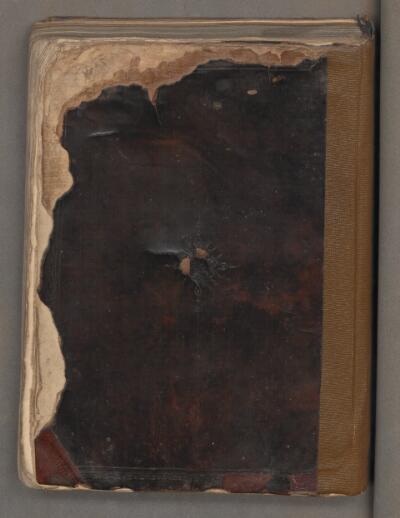
Ḥashiyah ʻala Ḥall Mushkilāt al-Ishārāt wa-al-Tanbīhāt (MS Or.1011)
حاشية على حل مشكلات الاشارات والتنبيهات
- লেখক
- Quṭb al-Shīrāzī, Maḥmūd ibn Masʻūd, 1236 or 7-1310 or 11
- ভাষা
- আরবি
- লিপিকাল
- 760
- স্থান
- Cairo
- গ্রন্থাগার
- Cambridge University Library
- শেলফমার্ক
- MS Or.1011
- পৃষ্ঠা/ছবি
- ৩০০
চাকা ঘুরিয়ে বা দুই আঙুলে বড়-ছোট করুন, টেনে সরান; ← → দিয়ে পাতা উল্টান। ছবির স্বত্ব সংশ্লিষ্ট গ্রন্থাগারের।
পরিচিতি
<p style='text-align: justify;'><p> This work is a gloss on the second part of Ḥall mushkilāt al-Ishārāt , that is, 'The Resolution of difficult issues in the Ishārāt' , which is a commentary by Naṣīr al-Dīn al-Ṭūsī (d.1274) on the Ishārāt wa-al-tanbīhāt (“Pointers and Reminders”) by Avicenna (d.428/1037), in response to the commentary on the same work by Fakhr al-Dīn al-Rāzī (d. 606/1209).<br /><br /> Avicenna’s original work is divided into two parts; the first part which deals with logic consists of ten chapters called nahj (a path) نهج and the second part is also divided into ten chapters called namaṭ (a mode or manner of acting)نمط. Being the last philosophical compendium of Avicenna, the Ishārāt received special attention by later Avicennian philosophers, as is evidenced by a great number of commentaries and glosses written on this work from the 6/12th century onward. Naṣīr al-Dīn al-Ṭūsī’s commentary created a platform for more sophisticated discussions. The present gloss can be attributed to Quṭb al-Shīrāzī (d. 1310 or 11), a pupil of Naṣīr al-Dīn al-Ṭūsī (d. 1274).<br /><br /> This manuscript is a gloss on Naṣīr al-Dīn al-Ṭūsī's commentary, and not a commentary by him (as the title page would have it), most probably by his well-known student Quṭb al-Dīn al-Shīrāzī (d.710/1311) or by one of his students. This anonymous collated manuscript, copied in Cairo in Ramaḍān 760/1359 by an Iranian scribe in an informal serifless taʿlīq script, appears to be unique (so far no other copy of this text has been located). It provides yet another proof of the importance of the text of Avicenna not only in Iran but also in the Arab world.</p><p>Transcription produced by <a target='_blank' class='externalLink' href='https://kairawan.org/'>Kairawan AI</a></p></p> This work is a gloss on the second part of Ḥall mushkilāt al-Ishārāt , that is, 'The Resolution of difficult issues in the Ishārāt' , which is a commentary by Naṣīr al-Dīn al-Ṭūsī (d.1274) on the Ishārāt wa-al-tanbīhāt (“Pointers and Reminders”) by Avicenna (d.428/1037), in response to the commentary on the same work by Fakhr al-Dīn al-Rāzī (d. 606/1209). Avicenna’s original work is divided into two parts; the first part which deals with logic consists of ten chapters called nahj (a path) نهج and the second part is also divided into ten chapters called namaṭ (a mode or manner of acting)نمط. Being the last philosophical compendium of Avicenna, the Ishārāt received special attention by later Avicennian philosophers, as is evidenced by a great number of commentaries and glosses written on this work from the 6/12th century onward. Naṣīr al-Dīn al-Ṭūsī’s commentary created a platform for more sophisticated discussions. The present gloss can be attributed to Quṭb al-Shīrāzī (d. 1310 or 11), a pupil of Naṣīr al-Dīn al-Ṭūsī (d. 1274). This manuscript is a gloss on Naṣīr al-Dīn al-Ṭūsī's commentary, and not a commentary by him (as the title page would have it), most probably by his well-known student Quṭb al-Dīn al-Shīrāzī (d.710/1311) or by one of his students. This anonymous collated manuscript, copied in Cairo in Ramaḍān 760/1359 by an Iranian scribe in an informal serifless taʿlīq script, appears to be unique (so far no other copy of this text has been located). It provides yet another proof of the importance of the text of Avicenna not only in Iran but also in the Arab world.Transcription produced by Kairawan AI
পাঠকের মন্তব্য (০)
এখনও কোনো মন্তব্য নেই। প্রথম মন্তব্যটি আপনিই করুন।
ছবিসহ ও লিংকসহ মন্তব্য অ্যাডমিন দেখে প্রকাশ করেন।
আরও পাণ্ডুলিপি
 আরবিHādhā sharḥ al-ʻallāmah al-Fanarī ʻalá matn Īsāghūjī fī al-manṭiq
manṣūrī, maḥmūd al-imām; mansuri collection (libr… · Library of Congress
 আরবিهذا منحة الصمد شرح ايها الولد / تأليف محمد.
Sāqizī, Muḥammad ibn Yūsuf, active 17th centu… · Princeton University Library
 আরবিSharḥ al-Risālah al-Ḥusaynīyah wa-yalīh risālatā fī al-manṭiq lil-Khādimī thumma Risālah fī al-ādāb
manṣūrī, maḥmūd al-imām; mansuri collection (libr… · Library of Congress
 আরবিKitāb-i akhlāq-i muḥsinī
kāshifī, ḥusayn vāʻiẓ · Library of Congress
 আরবিRisālah fī waḥdat al-wujūd li-Ḥusayn al-Tankānī [Takkānī?], wa-thāniyah fī wujūd wājib al-wujūd, thālithah fī raʼy Aflāṭūn wa-talmīdhihi Arisṭūṭālīs fī al-ṣuwar wa-al-mithl
mansuri collection (library of congress); manṣūrī… · Library of Congress
 আরবিal-Risālah al-Shamsīyah fī al-qawāʻid al-manṭiqīyah
mansuri collection (library of congress); qazwīnī… · Library of Congress